Workers arrive on-site, gear up, and head straight into tasks—often without pausing to consider the hidden risks in routine actions. A frayed cable, a misaligned guard, or a lapse in procedure can turn an ordinary shift into a crisis. Yet, many organizations still treat safety conversations as optional or performative. The truth is, effective safety isn’t built through once-a-year training or policy binders gathering dust. It’s built through consistent, meaningful dialogue—starting with the simple but powerful practice of toolbox talks.
These short, focused safety meetings are more than compliance checkboxes. They’re proactive interventions that shape behavior, reinforce awareness, and save lives. When done right, toolbox talks transform how teams think about risk—shifting from reactive damage control to real-time prevention.
What Exactly Is a Toolbox Talk?
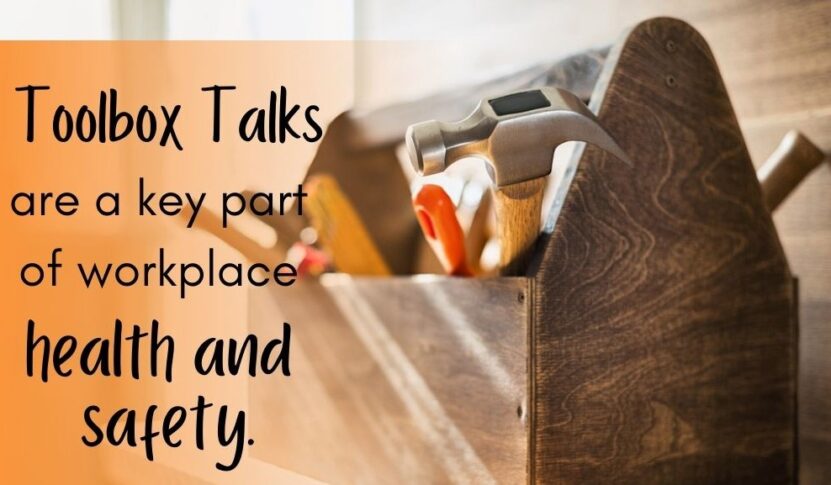
A toolbox talk is a brief, informal safety meeting held at the worksite—typically lasting 10 to 15 minutes. It’s designed to address specific hazards, reinforce safe practices, or respond to near misses before they escalate. Unlike formal training sessions, toolbox talks are conversational, timely, and directly relevant to the day’s work.
They’re called “toolbox” talks because they’re often delivered where tools are used: on construction sites, in manufacturing plants, or at the start of a maintenance shift. The goal isn’t to lecture but to engage—a leader or supervisor leads a discussion, asks questions, and listens to input from the team.
Key Characteristics of Effective Toolbox Talks
- Short and focused: One topic per session (e.g., ladder safety, chemical handling)
- Timely: Aligned with current tasks or recent incidents
- Interactive: Workers participate, share experiences, ask questions
- Documented: Attendance and topics recorded for tracking and follow-up
Too often, companies run through a checklist, sign sheets, and call it a day. But if no one remembers what was said—or worse, if no one actually spoke—then the talk failed. Real value comes from dialogue, not delivery.
How Toolbox Talks Prevent Accidents Before They Happen
Most workplace incidents aren’t random. They follow a chain of small oversights: a loose bolt unnoticed, a procedure skipped, a warning ignored. Toolbox talks break that chain by surfacing risks early.
Consider a roofing crew preparing for the day. The supervisor leads a 12-minute talk on fall protection, asking team members to check their harnesses and anchor points. One worker mentions a faulty D-ring from yesterday. That leads to a quick equipment inspection—and the discovery of two other harnesses with worn stitching. Three potential falls prevented, all because a simple conversation prompted action.
This isn’t hypothetical. OSHA estimates that 40% of construction fatalities involve falls, many preventable with proper equipment checks and awareness. Regular toolbox talks create a culture where spotting hazards becomes routine, not rare.
Real-World Example: The Power of One Question

At a mid-sized manufacturing plant, a near-miss occurred when a machine operator bypassed a guard to clear a jam. No one was hurt, but management didn’t treat it as a teaching moment—until a shift supervisor started holding daily toolbox talks. One session focused on lockout/tagout procedures. During discussion, another employee admitted he’d done the same thing weeks earlier.
That admission triggered a site-wide review of energy control procedures, updated training, and new visual alerts near high-risk machines. Over the next six months, machine-related incidents dropped by 68%. The catalyst? A five-minute talk that encouraged honesty.
Building a Culture of Safety Communication
Safety isn’t just policies and PPE—it’s conversation. And like any skill, communication improves with practice. Toolbox talks train teams to talk about risk, not avoid it.
In high-risk industries like oil and gas or industrial construction, silence can be deadly. Workers may hesitate to speak up due to hierarchy, fear of delays, or assumption that “someone else” will act. Regular toolbox talks normalize speaking up. They signal: Your voice matters. Your observation could save a life.
When leaders listen, not just talk, trust builds. Workers start reporting near misses, suggesting improvements, and calling out unsafe acts without fear. This shift—from top-down mandates to shared responsibility—is where true safety culture takes root.
Common Mistakes That Undermine Toolbox Talks
Even with good intentions, many organizations sabotage their own efforts. Watch for these pitfalls:
- Repetition without relevance: Using the same generic slides every week, regardless of work being done
- Top-down delivery: Supervisor talks, team listens—no questions, no discussion
- Ignoring feedback: Workers raise concerns, but nothing changes
- Inconsistent scheduling: Talks happen only when auditors are coming
One construction foreman admitted he’d been using the same “electrical safety” talk for 18 months—even when crews were doing concrete work. “It was just something to check off,” he said. When management switched to a rotating topic system based on weekly risk assessments, engagement soared.
Boosting Operational Efficiency Through Daily Alignment
Toolbox talks don’t just reduce risk—they improve performance. Miscommunication, rework, and delays often stem from unclear expectations or overlooked details. A well-run toolbox talk aligns the team on priorities, timelines, and procedures.
Imagine a crew starting a complex demolition task. The supervisor uses the toolbox talk to walk through the sequence: isolation points, debris removal routes, and communication signals. One worker points out a gas line not marked on the plan. The team adjusts the plan before breaking ground.
That’s not just safety—it’s efficiency. By catching issues early, teams avoid costly delays, equipment damage, and permit violations. In industries where downtime costs thousands per hour, this kind of foresight pays dividends.
Use Case: Reducing Downtime in Plant Maintenance
A chemical processing facility implemented daily toolbox talks before scheduled outages. Each session covered isolation procedures, confined space entry, and emergency response roles. Over three outage cycles, unscheduled stoppages dropped by 41%, and work was completed an average of 10 hours ahead of schedule.
Managers attributed the improvement to better coordination and earlier problem detection—direct outcomes of the pre-shift discussions.
Enhancing Training Retention and Onboarding
Formal training is essential, but people forget. Studies show retention of safety training drops by over 50% within 30 days without reinforcement. Toolbox talks act as micro-refresher courses, keeping critical knowledge fresh.
They’re especially valuable for new hires. Instead of overwhelming them with manuals and videos, integrate them into daily talks. Let them observe, ask questions, and learn from experienced workers’ stories.
One mining company found that new operators involved in weekly toolbox talks made 32% fewer procedural errors in their first 90 days compared to those who weren’t. The informal setting reduced anxiety and accelerated learning.
Practical Tips for Running Effective Toolbox Talks
To maximize impact, follow these guidelines:
- Pick relevant topics: Base them on upcoming tasks, seasonal risks, or recent incidents
- Keep it interactive: Ask open-ended questions like, “What’s one hazard you’ve seen this week?”
- Rotate facilitators: Let experienced workers lead—builds ownership and diversity of perspective
- Use visuals: Bring a damaged glove, show a photo of a near miss, or sketch a quick diagram
- Follow up: If an issue is raised, document it, assign action, and report back
One utility company uses a “Talk of the Week” board where crews post photos of unsafe conditions they caught—along with the toolbox talk that helped them spot it. It’s become a point of pride, not punishment.
Measuring the Impact of Your Toolbox Talks
If you’re not tracking results, you’re missing the point. Metrics matter. But don’t just count how many talks were held—measure outcomes.
Track:
- Participation rates
- Number of hazards reported during talks
- Reduction in incident rates over time
- Employee feedback (via short surveys or comment cards)
- Follow-up actions completed
A transportation company tied a 27% drop in vehicle incidents to their new toolbox talk program—after analyzing data across six quarters. The correlation was clear: more consistent talks, fewer crashes.
Final Thoughts: Make Safety a Daily Conversation
Toolbox talks are not a compliance ritual. They are a frontline defense against accidents, miscommunication, and operational drift. Their power lies not in length or formality, but in frequency and authenticity.
When done with purpose, they do more than inform—they involve. They don’t just reduce risk—they build trust, improve performance, and create a workplace where safety is everyone’s job.
Start small. Pick one high-risk task. Run a 10-minute talk tomorrow. Ask questions. Listen. Act. Repeat.
Because the best safety systems aren’t built in boardrooms. They’re built in the moments before work begins—when a team stops, connects, and commits to going home safe.
Frequently Asked Questions
What topics should be covered in toolbox talks? Common topics include PPE use, fall protection, electrical safety, hazardous materials, machine guarding, ergonomics, and emergency procedures. Choose based on current work, season, or recent incidents.
How often should toolbox talks be held? At minimum, weekly. High-risk environments may benefit from daily talks, especially before complex or hazardous tasks.
Who should lead a toolbox talk? Supervisors typically lead, but rotating facilitators—including experienced workers—can increase engagement and perspective.
Do toolbox talks need to be documented? Yes. Record attendance, topic, key points, and any follow-up actions. Documentation supports compliance and continuous improvement.
Can toolbox talks be conducted remotely? Yes. For remote or hybrid teams, use video calls or messaging platforms to discuss safety topics relevant to their environment.
Are toolbox talks only for construction or manufacturing? No. Any workplace with physical risks—warehouses, labs, facilities maintenance, transportation—can benefit. Even office teams can discuss ergonomics or emergency evacuation.
What makes a toolbox talk effective? Relevance, interaction, and follow-through. If workers engage, learn something actionable, and see their input lead to change, the talk succeeded.
FAQ
What should you look for in Why Toolbox Talks Matter in Every Workplace? Focus on relevance, practical value, and how well the solution matches real user intent.
Is Why Toolbox Talks Matter in Every Workplace suitable for beginners? That depends on the workflow, but a clear step-by-step approach usually makes it easier to start.
How do you compare options around Why Toolbox Talks Matter in Every Workplace? Compare features, trust signals, limitations, pricing, and ease of implementation.
What mistakes should you avoid? Avoid generic choices, weak validation, and decisions based only on marketing claims.
What is the next best step? Shortlist the most relevant options, validate them quickly, and refine from real-world results.