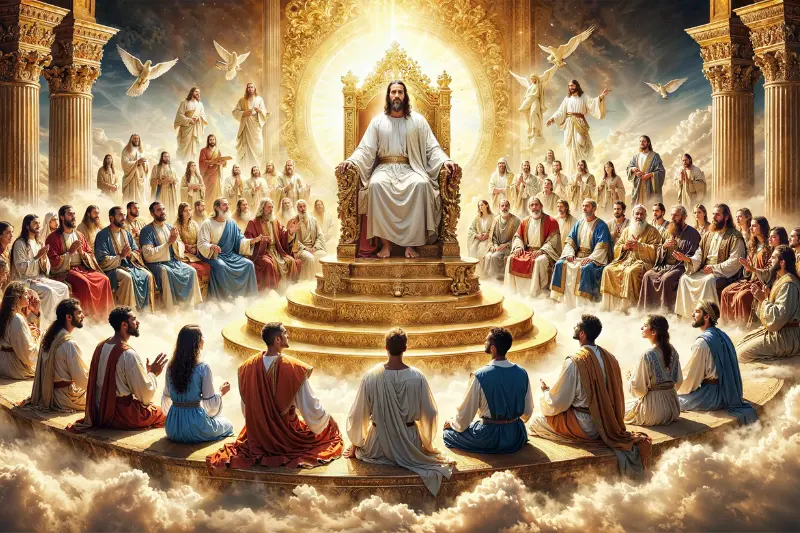
Choosing the right approach to heavenly home of the saints images starts with clear context, practical filters, and realistic expectations.
Introduction to Heavenly Home of the Saints
The concept of a heavenly home is deeply rooted in Christian theology, where it is believed that the souls of the righteous will reside in eternal bliss with God. The depiction of this heavenly realm in art, particularly in images of saints, has been a cornerstone of religious expression throughout history. These images not only serve as visual representations of spiritual beliefs but also as tools for devotion, inspiring followers to lead virtuous lives.
Historical Significance of Saints Images
The tradition of creating images of saints dates back to the early Christian era, where these depictions were used in worship and as a means to connect with the divine. Over time, the art of depicting saints evolved, incorporating various styles and techniques, from the Byzantine mosaics to the Renaissance masterpieces. Each period brought its unique interpretation, reflecting the theological, cultural, and artistic values of its time.
Byzantine Influence
Byzantine art, characterized by its use of gold leaf and formal, stylized compositions, played a significant role in the development of saints' imagery. The mosaics in Byzantine churches, such as Hagia Sophia, are iconic examples of how these images were used to adorn places of worship, creating an atmosphere of reverence and spirituality.
Cultural Impact of Heavenly Home Images The images of saints and the heavenly home have had a profound

cultural impact, extending beyond the religious sphere into art, literature, and everyday life. These images have inspired countless works of art, from the frescoes of Michelangelo to the writings of Dante Alighieri. They symbolize hope, redemption, and the human aspiration for a higher, eternal life.
Practical Examples and Realistic Use Cases
In contemporary times, images of the heavenly home of the saints continue to inspire and guide believers. For instance, the use of sacred art in meditation and prayer practices helps individuals connect with their faith on a deeper level. Additionally, these images are often used in religious education, serving as visual aids to teach about the lives and teachings of saints.
Common Mistakes in Interpreting Saints Images One of the
common mistakes in interpreting images of saints is to view them solely as historical or artistic artifacts, overlooking their spiritual significance. These images are not merely relics of the past but living expressions of faith, meant to inspire, comfort, and guide believers in their spiritual journeys.
Workflow Tips for Creating Inspirational Content

For those looking to create inspirational content based on the heavenly home of the saints, it is essential to approach the subject with reverence and understanding. Here are a few tips: - Research Thoroughly: Understand the historical and theological context of the images you are working with. - Be Respectful: Approach the subject with sensitivity, considering the beliefs and feelings of your audience. - Creativity: Find innovative ways to present traditional themes, making them accessible and engaging for a modern audience.
Tools for Exploring Heavenly Home Images
- There are numerous tools and resources available for those interested in exploring images of the heavenly home of the saints. Here are a few options:
- Digital Archives: Many museums and religious institutions have digitized their collections, making them accessible online.
- Art History Textbooks: Textbooks on art history can provide in-depth analysis and context for understanding these images.
- Religious Websites: Official websites of religious denominations often feature articles, images, and educational resources on saints and their significance.
- Mobile Apps: Apps focused on religious art and history offer a convenient way to explore and learn about saints' images on the go.
- Documentaries: Documentaries on religious art and history can offer engaging and informative insights into the world of saints' imagery.
Limitations and Criticisms
While images of the heavenly home of the saints have been a source of inspiration for many, they have also faced criticisms and limitations. Some argue that these images can be exclusionary, representing a narrow view of spirituality. Others criticize the commercialization of religious art, where sacred images are used for profit without respect for their original intent.
Conclusion
Images of the heavenly home of the saints are more than just religious artifacts; they are gateways to understanding faith, culture, and the human quest for transcendence.
By exploring these images with sensitivity and reverence, we can deepen our connection to our spiritual heritage and find inspiration for our personal journeys.